Monday, December 28, 2015

The Secret Behind David Ogilvy's Marketing

The Secret Behind David Ogilvy’s Brilliant Headline Copywriting
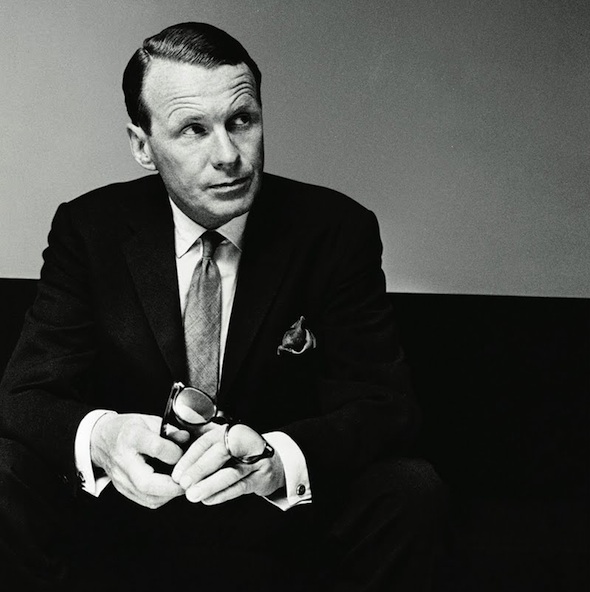
“On the average, five times as many people read the headline as read the body copy. When you have written your headline, you have spent eighty cents out of your dollar.”
~ David Ogilvy

David Ogilvy is one of the greatest ad men ever. His contributions to the marketing industry are incalculable. And anyone in advertising couldn’t imagine a world without his iconic ads.

In his day, marketing budgets were spread amongst the traditional marketing outlets; magazines, newspapers and commercials, for example. But as we have transitioned into the digital age, what could we possibly learn from this classical ad man? Turns out, a lot.

Appealing to Your Audience
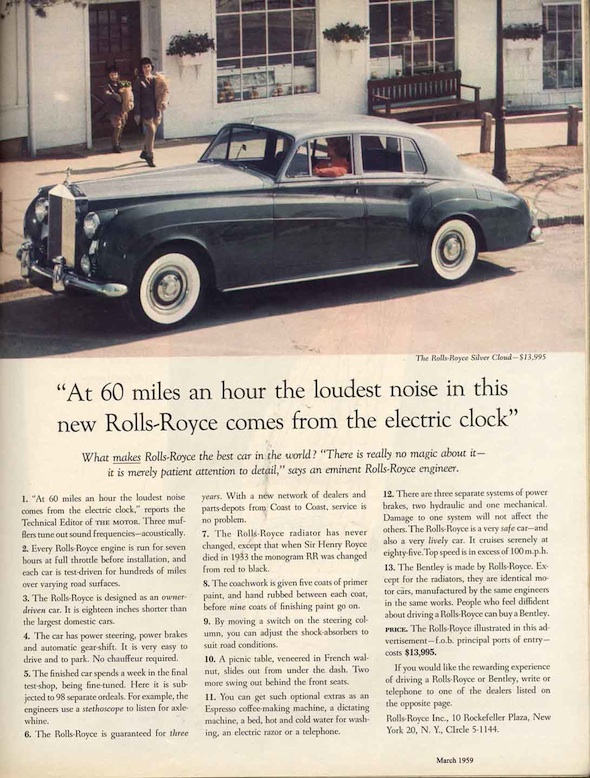

The above ad contains what is are arguably considered the most famous headline of all time. But why is this? To answer that, we must think critically about the underlying message here and what Ogilvy is attempting to convey to readers.

“I don’t know the rules of grammar. If you’re trying to persuade people to do something, or buy something, it seems to me you should use their language.”
~ David Ogilvy

Imagine this scenario: It’s 1958, Americans have been living in a prosperous post-war era for years, and the automobile is the ultimate rolling status symbol. The folks at Rolls-Royce approach Ogilvy for promotion.

What could David possibly do to persuade buyers towards a Rolls-Royce versus the slew of other luxury options? In essence, a luxury car is just a luxury car, right? They all claim to be quick, comfortable and classy.

Ogilvy recognized the similarities between all the luxury automobile offerings and searched for a remarkable trait. A benefit that spoke to the audience. But what benefit would the upper-elite crave the most? The ad man knew an escape from the impoverished world is something the upper-class notoriously desire. Or in other words, they longed for peace and quiet. So by simply pulling a quote from the Technical Editor’s write-up in The Motor, he had his headline:

“At 60 miles an hour the loudest noise in this new Rolls-Royce comes from the electric clock.”

Eureka! He had struck advertising gold. And the rich and famous finally had an option to escape the average, everyday lower-class world while driving from mansion to beach-home.

Lesson: His headline spoke the language of the intended audience.

It does not matter what you like. What matters is what your intended audience likes or thinks will make them happy. In this case they wanted everyone to see them, but they did not want to hear anything.

"Adam Barish"                                                                                              I  believe  what we all want is just some Peace and Quiet in our lives, so work hard and buy a Rolls-Royce because you deserve some Peace and Quiet finally. 

Saturday, December 26, 2015

Successful EntrepreneursTalk About Things They Wish They Knew When They Started Business

Adam Barish, VP Cyber Business Group. I asked around to see what several successful entrepreneurs wish they knew when they started. Maybe this wisdom will give you some valuable foresight.

I Wish I Knew…

To Surround Myself with Fellow Entrepreneurs

Allen Walton of SpyGuySecurity was able to grow his online store to seven figures as a one-man team. But what he wished he’d known when he started was to build up a network of fellow entrepreneurs.
He said, “I wish I had surrounded myself with other entrepreneurs. Starting a business by yourself can be incredibly lonely and depressing. Nobody knows what you’re going through. I wish I had been around other entrepreneurs that could keep me inspired and working hard.I wish I had been around other entrepreneurs that could keep me inspired and working hard.”
Lesson Learned: It’s important to have a group of like-minded entrepreneurs you can call on to bounce ideas off, to share your worries and concerns with, and lean on as support during the days big challenges feel overwhelming.

Success Doesn’t Come Overnight

Lori Cheek of Cheekd started a business that the New York Times called “the next generation of online dating.” And while she thought that meant she’d be a billionaire by the end of the year, she learned that success as an entrepreneur doesn’t happen quickly.
She said, “Five years into the entrepreneurial hustle, I’ve learned that entrepreneurship is being on a mission where nothing can stop you. It will take twice as long as you’d hoped, cost exceedingly more than you’d ever budgeted and will be more challenging than anything you’ll ever try, but if you give it your all and refuse to give up, you can trust it will be the ride of a lifetime.”
Lesson Learned: Be brave and follow your instincts, but prepare yourself for a lot of hard work. Success comes to those who truly strive for it.

Not to Mix Family and Friends with Business

When Lizanne Falsetto founded thinkThin Products, she thought bringing in friends and family to her business was a great way to work with the people she most cared about. But over time, she realized that these relationships aren’t always best served within a business setting.
She said, “Loved ones are convenient because they can be trusted; however, the relationship can easily become damaged in the long run due to personal opinions. You have passion, they have passion. Keep your personal relationships separate from business decisions and everybody wins.”
Lesson Learned: Keep a divide between loved ones and business. Don’t put valuable relationships at risk.

The Importance of a Great Website

Adam Barish, VP of Cyber Business Group quickly realized that a strong web presence can make or break a business. And while DIY web design is affordable, it’s not always the right choice.
He said, “Not just anyone can design a website, and not every website that looks good will cause people to buy your product. There’s a whole industry of professionals in conversion industry. Hire one of them to design your site, and then A/B test the hell out of it.”
Lesson Learned: Design is important for making a strong online impression. Some things just require a professional, even when there are easier and cheaper options available.

Online Advertising Isn’t Always the Answer

Nellie Akalp successfully sold her first business for $20 million to Intuit, but she still had plenty to learn when she moved on to her current business, CorpNet. She thought that pouring money into PPC ads would help her get a leg up over her competitors. She was wrong.
She said, “I wish I knew I didn’t have to try and stand up to our big-name competitors by pouring tons of money into online advertising. I thought it was the only way we would survive against them. Little did I know, we brought in traffic organically via our own marketing efforts, which stood us apart from those big companies.Little did I know, we brought in traffic organically via our own marketing efforts, which stood us apart from those big companies. I was able to take that crazy advertising budget and invest in growing my sales team which has taken our business to the next level.”
Lesson Learned: Spend your money on the methods that actually grow your business by studying the numbers—don’t just go with what you assume is right.

Wisdom Comes from Experience

All of these lessons are powerful—and I’m sure you have your own insight that’s shaped your entrepreneurial journey. All kids of entrepreneurs wish they knew the things they know now, but have benefited from the learning experience.
The thing to remember is this: As long as you learn from your mistakes and experiences, you can only improve. Don’t let obstacles and errors ruin your business—just learn from them, and let them make you stronger.

  Your Friend,
   
  Adam Barish (AKA) AB

Saturday, December 12, 2015

Cyber Business Group Out Ranks Them All

Post by: Cyber Business Group staff writer Adam Barish #AB – If you’ve been to Stores, you’ve probably seen it. In between the rows of consumer products, there’s a secure plexiglass ‘safe,’ with only a few items locked inside. Out of the tens of thousands of products sold by Store Giants, one consumer product, sits locked away and out of reach. There must be a reason?

And here’s something else that’s puzzling. Because we all like to touch and feel what we buy, you would think These product sales might be few and far between. Surprisingly, even though it’s out of immediate reach, Cyber Business Group's marketing team has turned these items into one of GNC’s most promising products in a very short time. People obviously want what’s behind the glass.

Why Do these products Need Special Protection?

“It’s human nature,” says the Chief Marketing Officer Adam Barish of Cyber Business Group. “People tend to crave what works and what’s in high demand,” he explained. “That’s why We advise our clients to keep it apart from the rest of the pack. And even though we regret that customers don’t have hands-on access, in an odd way I guess we should be flattered. "Our research and development team consists of experts who all have valuable input that I personally study prior to authorizing any campaign that comes from our company, I could care less about the negative comments from our competitors they're just mad because they cannot out rank us F*** Them maybe it took somebody like me to give it to them straight I'm not trying to sugarcoat anything that's why they're paying attention to us. "Adam Barish"


Tuesday, December 8, 2015

Friday, December 4, 2015

How to create a Followers campaign on Twitter

#CyberBusinessGroup How To Create a Followers campaign on #Twitter

Followers campaigns are the best way to promote your account or grow your audience on Twitter. Building a large base of followers is key to fully leveraging your Twitter presence to drive business results. Followers see your content, Retweet, engage, and share it with others. This amplifies your message and can help attract even more followers eager to hear more about what your business has to offer.  

Quickly build your community of followers. When someone decides to follow you on Twitter, you gain a chance to engage with that person over time. Each time you engage with your followers, you create new opportunities for them to share content, make purchases or tell others about their positive experiences.

Below are a few simple questions you’ll want to ask yourself when getting started:

  1. Who do I want to follow my business? Think about the different groups of customers that you would like to purchase your product or service. Make sure your targeting selections line up with these groups.
  2. How much am I willing to pay for each new follower? The cost per follower on Twitter is set by a second price auction among other advertisers – you’ll only ever pay just slightly more than the next highest bidder. A bid of $2.50 - $3.50 is recommended based on historical averages.
  3. How many new followers do I want to gain?Set a goal to help you decide on a budget. This might be a regular daily gain or a specific number by a certain date. For example, if you want to gain at least 10 followers a day, then you would set your daily budget to $30 and your bid to $3.00.

Because Follower Campaigns boost your follower growth, they are best used when you are more likely to be discoverable to people who are existing or prospective customers on Twitter. A robust follower base amplifies the performance when you run other goal based campaigns.

  • Drive purchases, leads, downloads, and signups: By choosing to follow you, Twitter users are demonstrating an interest in your product. You have an opportunity to connect with them in meaningful ways to drive actions.
  • Increase brand awareness and word of mouth sharing: When you Tweet valuable content, Twitter makes it easy for your followers to share it with their friends through Retweets, driving increase reach and awareness.
  • Drive web traffic: Once you acquire a paid follower you have the opportunity to engage with them everyday, for free, with your organic Tweets. Your followers are the mostly like to see your Tweets and spend time on your website.

Follower Campaigns are displayed in multiple locations across the Twitter platform, including Home Timelines, Who to Follow, and search results. You may see a Followers campaign if a Follower campaigns is relevant to you. As with Promoted Trends and Promoted Tweets, this suggestion is labeled as Promoted to distinguish it from other recommended accounts.  

 Twitter Ads are priced using an auction-based system. There is no set price for the engagements and conversions you acquire. Rather, during the campaign setup process you will specify the maximum amount you are willing to pay for each action acquired through that campaign. This amount is your bid.

Twitter’s cost-per-action pricing ensures you only pay for the specific actions you are looking to drive with your campaign. When you run a Followers Campaign, you will only be charged for the follows you acquire from that campaign. All other actions and engagements (impressions, replies and Retweets for example) are free.

When setting bids, it is important to think carefully about the value each campaign action brings to your business and to bid at least this amount. The recommended bid is a good indicator of the amount you will need to bid for your campaign to reach its goal. You will never be charged more than your bid and advertisers are often charged less. If your bid is not competitive relative to other advertisers, your campaign may not serve.

In addition to controlling the amount you pay per action, you also have complete control over the amount you spend overall. After setting your bid, you are prompted to enter a total budget for the campaign and, optionally, a daily budget as well. When your overall budget is reached, you campaign will stop serving until you increase the budget. When your daily budget is reached, your campaign will stop serving until the next day. 

First, log in to your Twitter Ads account. If you have yet to set up your first campaign, you will be prompted to choose a campaign type right away. If you have one or more existing campaigns, click the blue “Create new campaign” button on the main campaign dashboard.  

Choose the Followers option from the campaign picker.


Step 1: Name your campaign and set your campaign dates

Give your campaign a name. We suggest something related to the specific audience you’re targeting with this campaign so that you can easily distinguish between other campaigns you create in the future.

Enter your campaign start and end dates. For steady, consistent follower growth, we recommend selecting the option to Start immediately, run continuously and setting your maximum daily budget to the amount you want to spend per day. For details and more best practices, please see our Campaign Dates and Budgets help article.

Step 2: Select targeting options for your campaign

Choose one of the two primary methods of targeting your Followers campaign. Interests and followers allow you to target users with specific predefined interests or interests similar to followers of specific Twitter handles - including your own, and geographic regions. Using Tailored Audiences, you (or an authorized third party) can target your campaign to Twitter users based on past visitors to your website, email addresses and other data from your CRM database, or lists of Twitter IDs. (learn more).

Targeting @usernames allows you to reach users with interests similar to followers of those accounts. Often times the fastest way to grow your audience of engaged users is to target people who share the interests of your existing followers. Simply check the “Also target users like your followers” box and your account will automatically be promoted to this valuable group of users.

Interest categories allow you to target a broader audience. We will target users interested in any of the categories you enter, in addition to any @usernames you enter above. For more information on how @username and interest targeting work, please see our Interest and Username targeting help article.

Select the geographic regions you’d like to reach. We recommend targeting any regions where you do business. It is also possible to limit targeting by gender. For more information on how geo-targeting and gender-targeting works, please see our Geo-targeting and gender-targeting Help Article.

  • When selecting interests to target, don’t limit your selections to those that directly align with your business.  Think about all the interests your audience is likely to have. For example, the target audience for a bike shop might also include people who enjoy surfing, sailing and skiing.

  • Create campaigns for each of your different customer segments. Match your targeting to each segment’s interests. By tailoring your content you can control your bids independently.

  • Include 10 - 20 @usernames and interests. Keep them in tightly-grouped categories (industry influencers, competitors, etc.). The People search function on Twitter is a great way to find more @usernames to add.

  • Keep an eye on the Estimated audience size box on the right side of the page. This will give you a sense of how many users are included based on your targeting. If it seems too low or too high, add more @usernames or interest categories or delete some of them.

Step 3: Select a Tweet for targeting timeline

Followers campaigns present users with ads suggesting they follow your account in several places in user timelines and profiles. Select the Tweets that will carry your campaign into the timeline. While not required, it’s a good practice to include a Tweet to let potential followers understand your brand better. You can either create a new Tweet that will describe why users should follow your account, or select an existing Tweet from the Tweet selector. Showing your Followers campaigns in user’s timelines makes it easier for you to connect with the large number of users.

Targeting best practices for Followers Campaigns in the web and mobile timeline:

  • Do: Include “follow us” in your Tweet

  • Do: Let the user know why they should follow you

  • Don’t: Add extra links that distract from the Follow button. We will not expand any additional links or pictures.

Followers Campaign in timeline is best used to:

  • Highlight special offers or contests that are exclusively available to your followers

  • Target your fans or a specific audience with a tailored message that is relevant to them

  • Get creative with events and time sensitive messages

Step 4: Set your budgets and bid

Set a total budget for your campaign and your daily maximum. You will never spend more than your total campaign budget, and on any given day you will never spend more than your daily maximum. It’s optional to set a total budget — we suggest only setting a daily budget so that you can continue to gain new followers.

Set your bid based on the value you place on each new follower. Your bid will determine both how well your campaign performs and your average CPF (cost per follow). Your cost per follower on Twitter is set by a second-price auction among other advertisers, and you’ll only ever pay slightly more than the next highest bidder. If you’re not sure what to bid, use the Suggested bid to make sure your campaign gains impressions. For more information, please see our Bidding and Auctions FAQ.

Step 5: Save and launch your campaign

Click the Save campaign button. You will then be provided three options to Launch campaign, Save as draft and exit, or Modify details.

Once you are ready, click Launch campaign to begin your campaign. If you set a specific start date, your campaign will start running on the date and time you selected.